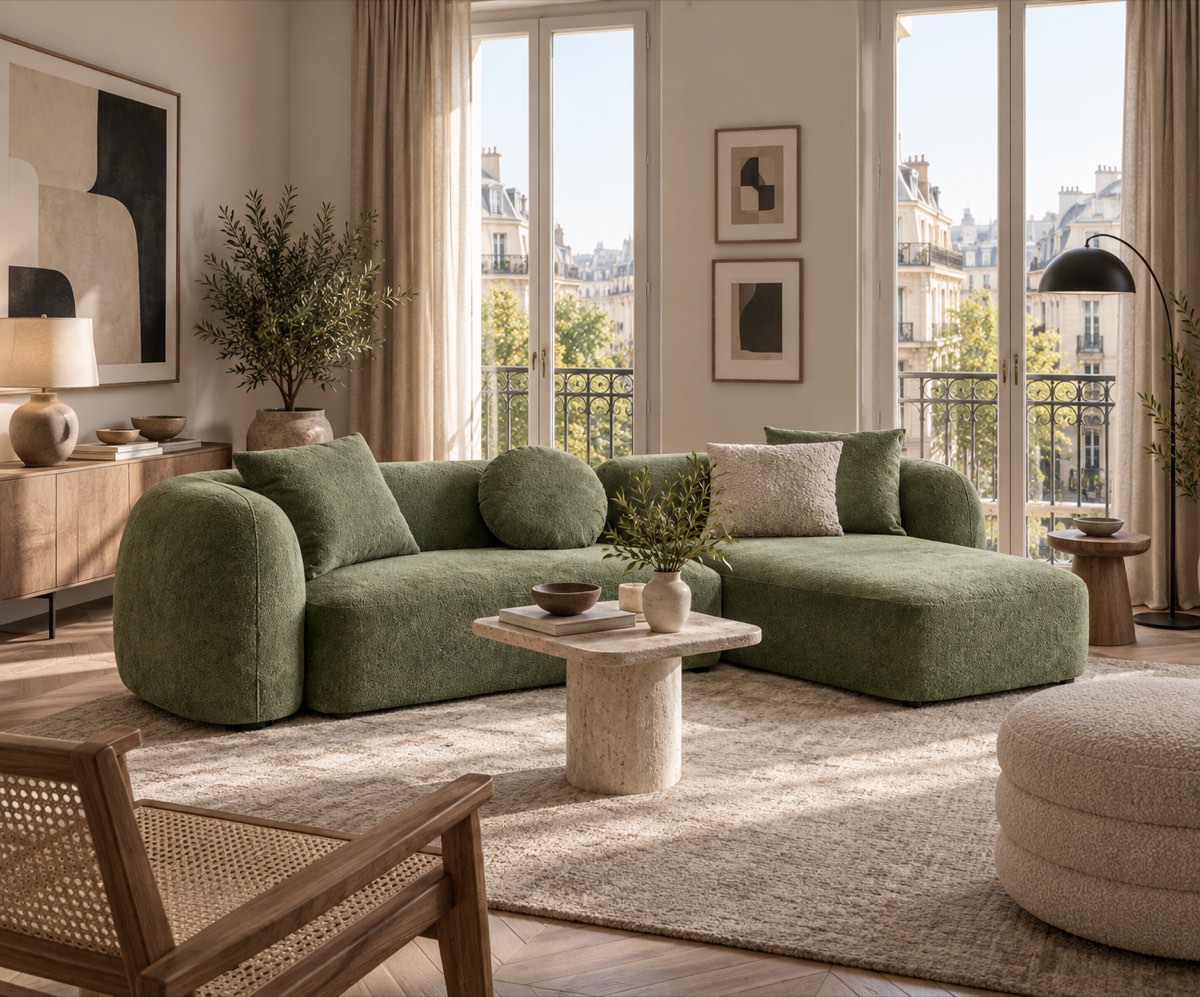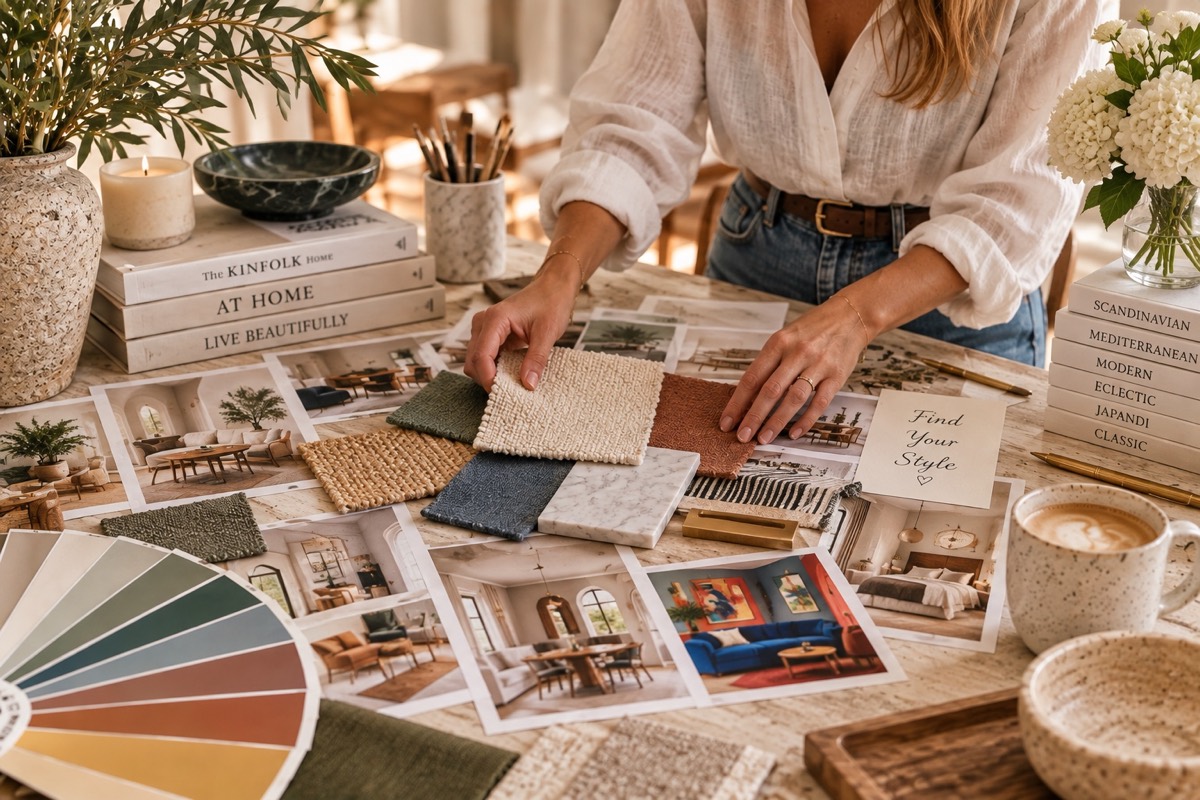
It is surprisingly easy to know when you like a room.
Understanding why you like it is a little harder.
You might save one image because of its beautiful neutral palette, another because you love the sofa and another because something about the room simply feels right. Before long, you have fifty saved interiors that seem to have very little in common.
But look more closely and there are usually patterns.
Perhaps you repeatedly choose warm wood. Maybe you prefer curved furniture to very architectural shapes. You might be drawn to rooms with very little colour, or perhaps the interiors you love always contain art, pattern and something unexpected.
Finding your interior style is less about giving yourself a label and more about recognising those patterns.
Here are six directions that can help you work out where your own taste sits.
Warm Minimalist
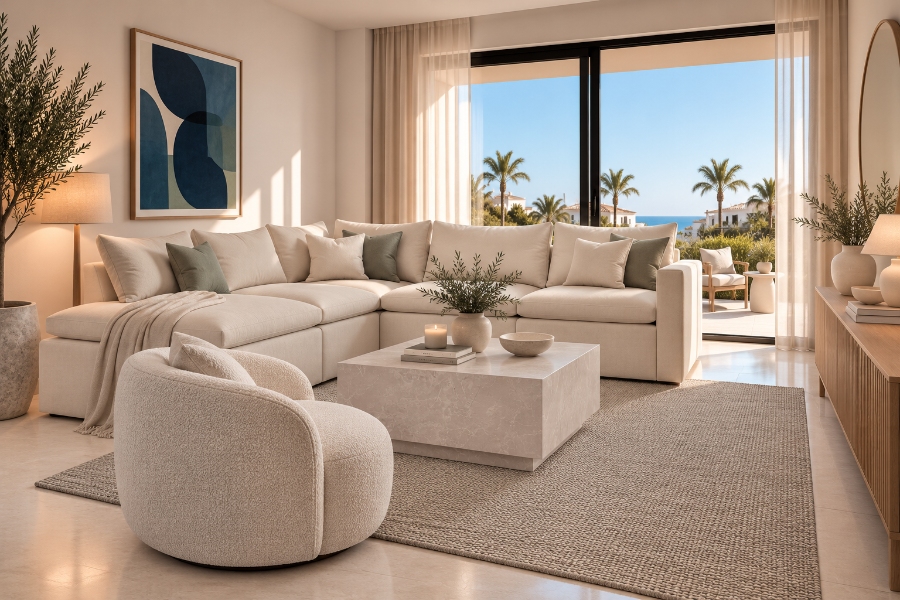
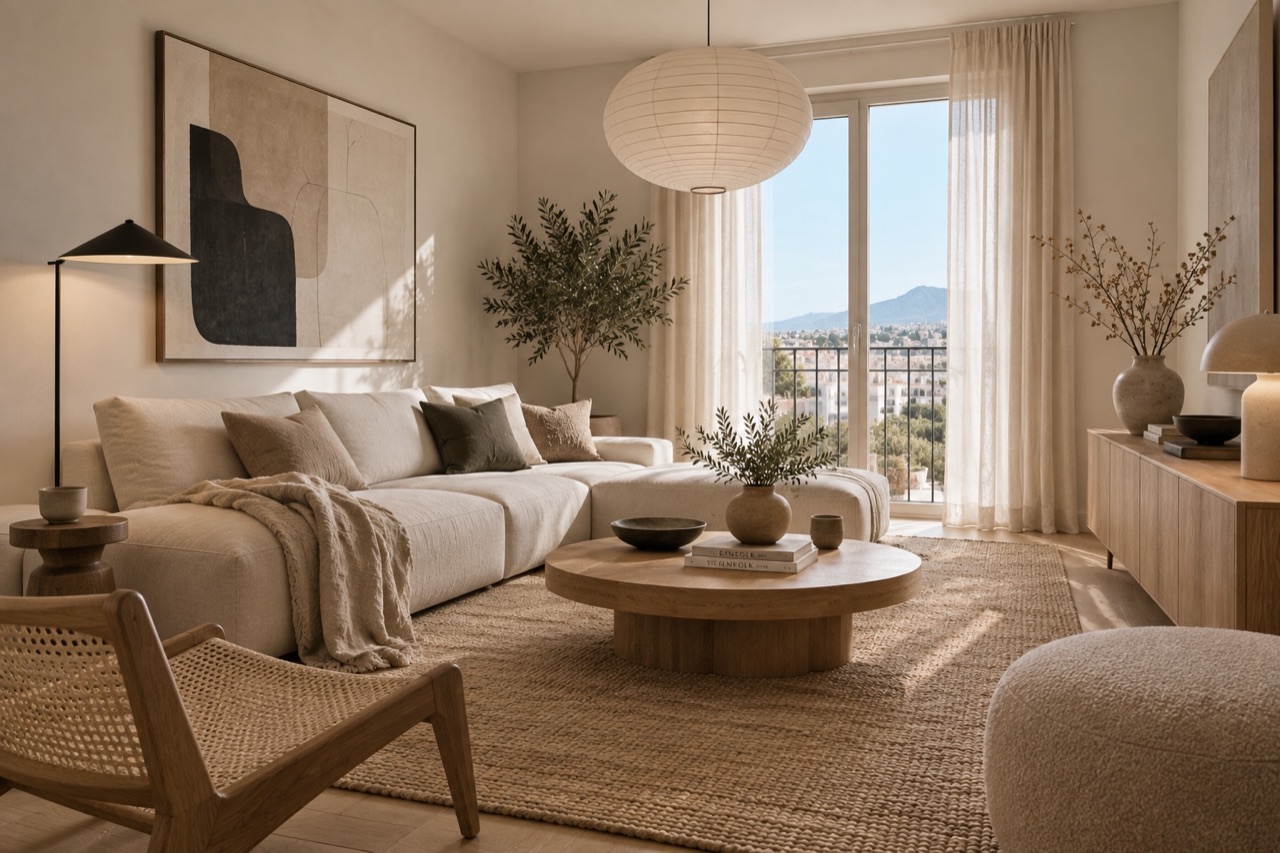
Warm Minimalist is for people who like simplicity but don't want their home to feel stark.
The palette tends to be soft and natural, with warm whites, cream, beige and pale woods forming the foundation. Furniture is usually simple in shape, but texture keeps the room from feeling flat.
You might see a linen sofa, an oak table, a tactile rug and one beautifully shaped lamp rather than lots of smaller decorative pieces.
There are influences from Scandinavian design and Japandi here, but the overall feeling is less about following a particular style and more about creating a room that feels calm, light and easy to live in.
If you repeatedly save interiors with natural materials, neutral colours and very little visual clutter, this may be where your taste naturally sits.
See the look in our Scandi sanctuary living room.
Mediterranean
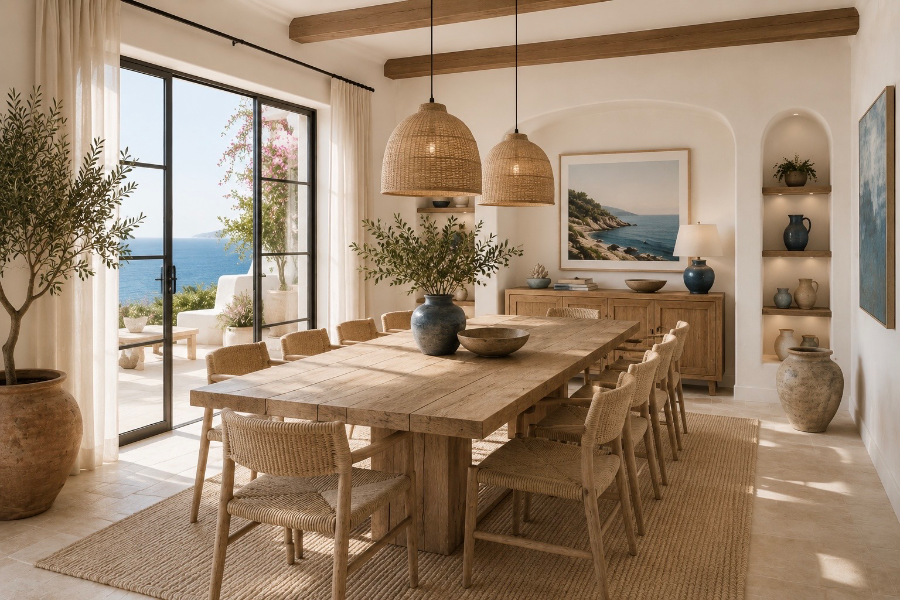
Mediterranean interiors have a different kind of simplicity.
They tend to feel warmer, more tactile and a little less polished.
Natural stone, timber, woven fibres, linen and handmade ceramics work particularly well here, alongside colours inspired by the landscape. Sand, terracotta, olive, warm white and earthy browns all feel at home.
But Mediterranean doesn't necessarily mean rustic.
A contemporary Mediterranean room might have very clean furniture against textured walls, or a simple modern sofa combined with an old wooden table and woven lighting.
What matters is the feeling of warmth and informality.
If you're drawn to natural texture, sun washed colours and rooms that feel relaxed rather than perfectly styled, look in this direction.
Mid Century
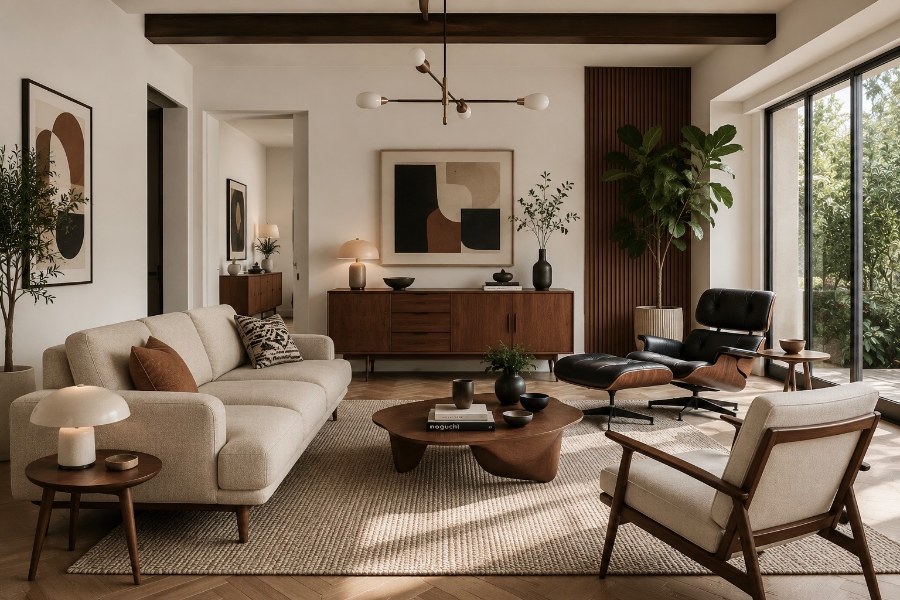
Mid Century has more structure and personality.
The furniture itself often becomes part of the decoration. Tapered legs, beautiful timber, distinctive chairs and sculptural lighting give the room its character without needing lots of accessories.
Warm woods are particularly important, often combined with cream, olive, rust, mustard or deeper accent colours.
You don't need to turn your home into a 1960s interior to make this style work.
One vintage inspired chair, a beautifully shaped sideboard or a statement lamp can sit very comfortably alongside contemporary furniture.
If the pieces you save tend to have strong silhouettes, warm woods and a little retro character, Mid Century may be part of your style.
Modern & Bold
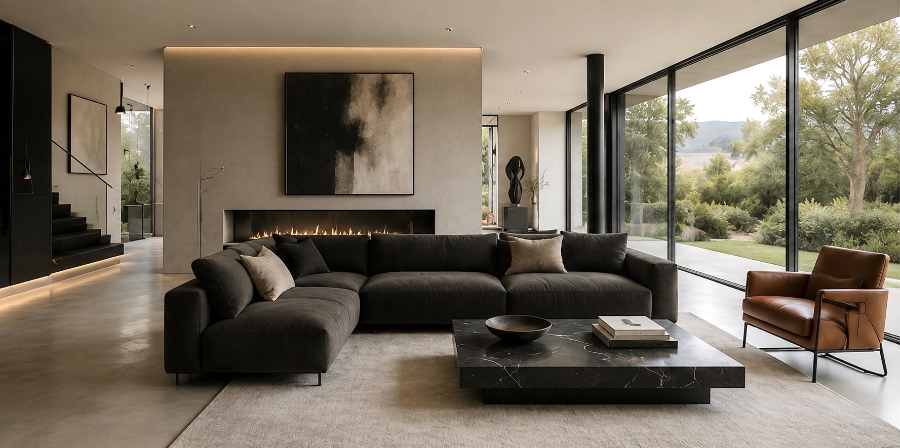
Some people want their interiors to feel quieter. Others want a room to make a stronger statement.
Modern & Bold is about contrast, confident shapes and furniture with presence.
A sculptural sofa might become the focus of the room. Black metal can define an otherwise neutral palette. Oversized artwork, architectural lighting or an unusually shaped table can give the space its identity.
The important part is knowing when to stop.
A statement piece needs quieter furniture around it to have impact. If everything is competing for attention, nothing really stands out.
This direction works particularly well if you're attracted to contemporary architecture, stronger contrast and pieces that immediately catch your eye.
See the look in our Midnight Banquet dining room.
Quiet Luxury
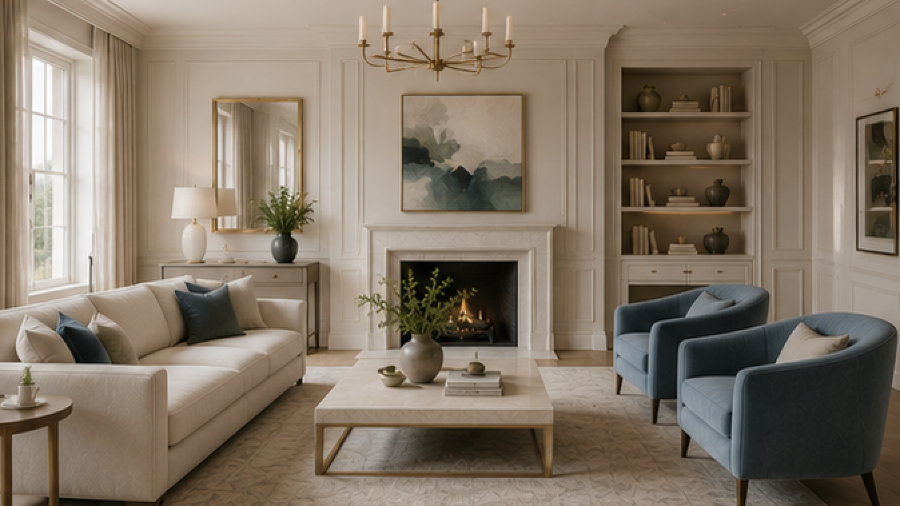
Quiet Luxury is less about displaying luxury and more about noticing it.
The proportions are right. The fabrics feel beautiful. The stone has character. The lighting is considered. Nothing necessarily demands attention, but everything feels carefully chosen.
Natural stone, rich woods, soft upholstery and layered lighting often play a large role.
The colour palette can be very restrained, which means materials and finishes become even more important. A travertine table, beautifully upholstered chair or substantial wool rug can provide more interest than colour or pattern.
If you find yourself noticing materials, craftsmanship and beautifully finished details before obvious decoration, you may naturally lean towards this style.
Eclectic
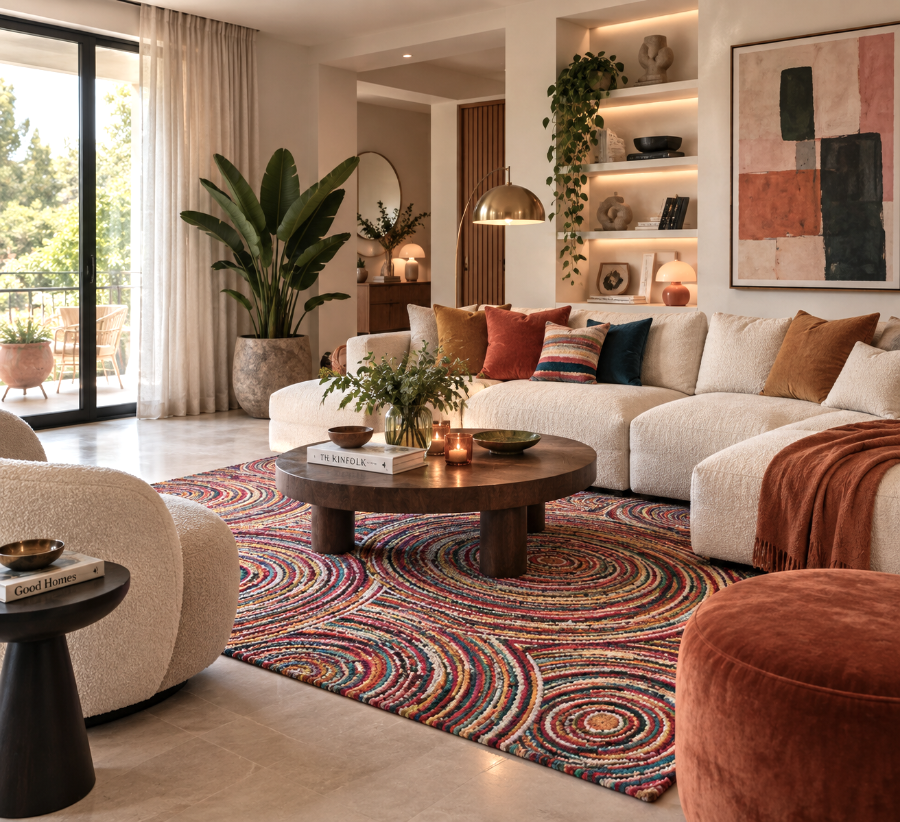
Eclectic interiors are much harder to define, and that is part of their appeal.
They can combine old and new, inexpensive and collectible, simple furniture and expressive art, or colours and patterns that wouldn't necessarily appear together in another style.
But eclectic doesn't mean putting everything you like into one room.
The most successful spaces still have something connecting the pieces. It might be a repeated colour, similar proportions, a particular material or simply enough quieter elements to allow the more expressive ones to stand out.
These rooms often develop slowly because part of their character comes from objects collected over time.
If your saved interiors are full of art, colour, unusual furniture and combinations you wouldn't necessarily expect, you may not need to narrow your taste down at all. Eclectic might be exactly where you belong.
See the look in our eclectic terracotta living room.
You Probably Don't Have Just One Style
And this is perhaps the most important part.
Most interesting homes don't fit perfectly into one category.
You might love the calm foundation of Warm Minimalist but prefer the materials of Quiet Luxury. You might want Mediterranean warmth with cleaner contemporary furniture. Or perhaps your home is largely neutral but you love introducing one unexpected Eclectic piece.
That isn't a problem to solve.
It is often where a home starts to become personal.
Instead of asking "What is my interior style?", it can be more useful to ask:
What do I keep choosing?
Look through the interiors you have saved and notice what repeats.
Is it the colour palette? The wood? The sofa shape? The lighting? The amount of decoration? Do the rooms feel relaxed or polished? Soft or architectural? Calm or expressive?
Those repeated choices tell you far more about your style than a label ever will.
Start With a Direction, Not a Rule
Once you understand the elements you're naturally drawn to, choosing furniture becomes much easier.
You have something to measure each new piece against.
It doesn't mean everything has to match. In fact, it probably shouldn't.
The aim is simply to have enough of a common thread that the room feels intentional when everything comes together.
And if you love more than one direction, use both.
A home should feel like the people living in it, not like a perfectly completed style category.
Ready to Find Your Style?
Choose one or more styles that feel like you, then explore complete room designs that bring those ideas together.
START YOUR PROJECT →From Inspiration to an Actual Room
Finding your style is only the beginning.
Once you know the direction you want to take, the next challenge is finding furniture, lighting and accessories that actually work together and fit the budget you have.
Starting with a complete room can make that much easier. You can see the pieces together first, customise what you want to change and then shop the individual products directly from the brands.
You don't have to recreate the room exactly.
Use it as a starting point, change what doesn't suit you and make the final combination your own.
Because finding your style isn't really about choosing a label. It's about understanding what makes a room feel right to you.